JOURNEY TO NATURAL HEALTH

No doubt about it…I’m getting old. And that’s a good thing. It means, for starters, that even though I’ve not always had the best daily health practices, and intermittently,  throughout my adulthood, those less than ideal practices have caught up with me, I’ve had enough good behaviors that I’m not dead yet. And, if you’re not dead, and you’re willing to make significant changes in your lifestyle, this miraculous body we have been given has a shot at not only keeping you moving forward but also taking you to a level you didn’t consider realistic when finding yourself at the three-quarter mark of a century of life.

In recent years, I’ve felt a definite decline in my body and mind. My dad had a fatal heart attack at age 64. My mom died at age 72 after at least a decade of decline with Alzheimer’s. It appeared that I had one foot in my father’s history and one in my mother’s. Thirty-eight years after my father’s heart attack, I had one—and survived. I started changing my eating and lifestyle habits and lost about 20 pounds. Plus, I had the advantage of modern cardiac therapies that didn’t exist in my dad’s day. Trickier, I thought, was that I inherited the Alzheimer’s gene from my mother.

I discussed that pesky gene with my personal physician and requested a basic cognitive test for dementia. She didn’t want to do it. “There’s nothing you can do about it if you have the gene,” she told me. Still, I pressed her. She finally had her nurse administer a test that was beyond simple—not because my brain functioned so well, but because a ten-year-old could have passed it.

Still, I knew something wasn’t right. I remembered how my brain used to function. I could recall anything. My favorite example was in a job in the seventies (pre-computer) with a company providing home care services. The coverage schedule was 25-30 pages, with some patients who had three shifts of care and some with three hours a few days/week. If someone asked me to check the schedule for “Mrs. Jones on Tuesday first shift”, I didn’t need to look at the schedule. I could retrieve every patient on every page, every shift, all from my own brain—a memory that I now see was not fully appreciated by me.

Anyone who has had the sad experience of a loved one fading away into the fog of Alzheimers knows there simply is no drug in current use, current testing, or on the horizon that truly addresses the complexities of the causes of brain fog and Alzheimers.

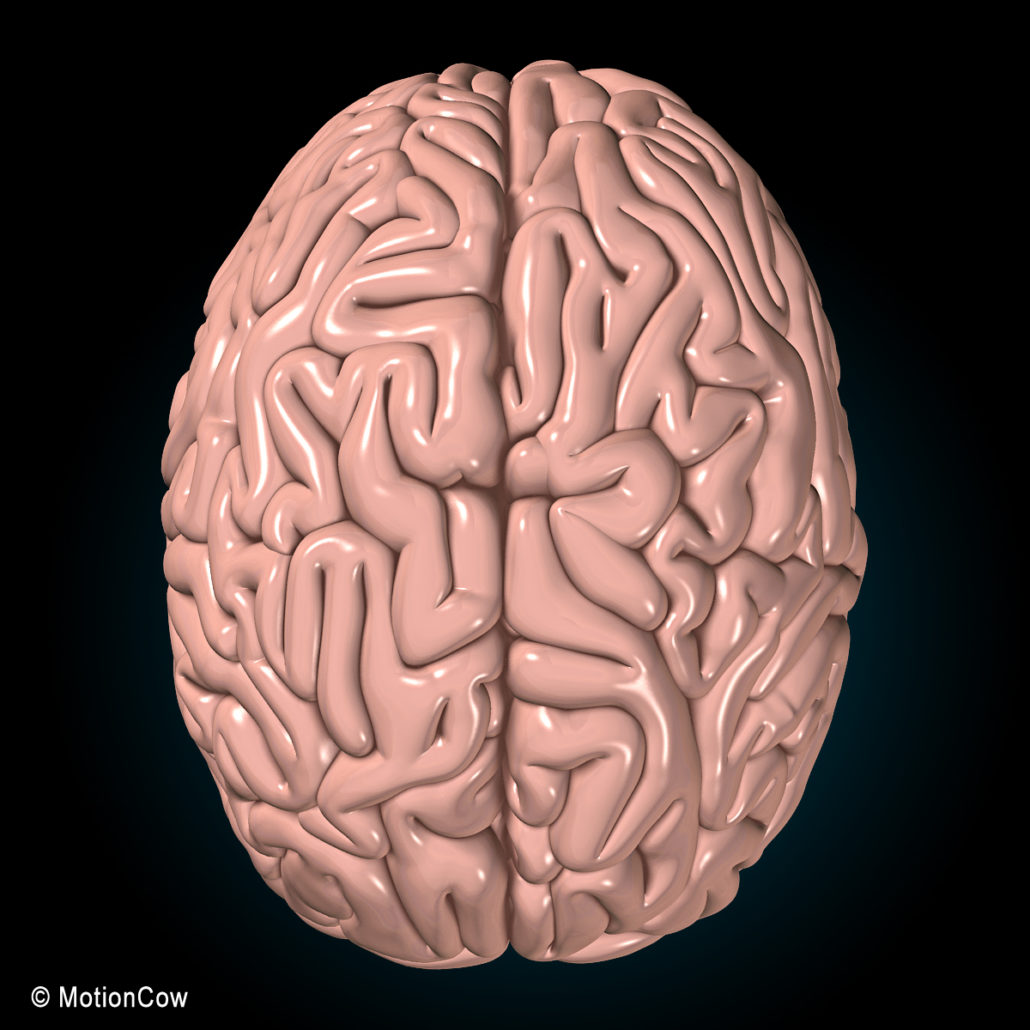
I wanted my old brain back. I started reading everything I could on brain function. It turned out, the brain function relies on the condition of other parts of the body in order to function well.

First book was Good Energy, by Casey Means, MD. It introduced me to the critical importance of metabolism and gut health on every other organ of the body, including the elusive brain.

Quite coincidentally, I read about Dr. Dale Bredesen. His first book on the subject, “The End of Alzheimer’s, was encouraging, but limited, and published in 2017—a lifetime ago in the medical science world. It described a dietary lifestyle that was prescribed to a group of ten women and men with measurable cognitive issues. A majority (8 of 10, if I’m recalling accurately) showed significant cognitive improvements and were able to return to demanding jobs and associated travel. How long did their improvements hold, I wondered. Dr. Bredesen has since written follow-ups (that original group continued to improve and many others were added to the story) and trained medical personnel throughout the country on his protocol (which has advanced over the years). Each new book expands on the original protocol, as well as the number of the participants. And currently, Dr. Bredesen leads a multi-site study—not a small accomplishment, given most medical studies are financed by pharmaceutical companies, but there are no potential prescription drugs being tested. Of course, the pharmaceutical industry isn’t going to pay for that.

So, just when I thought Dr. Bredesen was the only one focusing on this, I discovered the error of my assumption. There is at least a handful of physicians writing about their experiences with more natural approaches to cognitive clarity. It turns out that the stomach and intestines—specifically, the microorganisms that inhabit the gut–play a huge role in the health of our brains. Just today I started reading Brain Maker, by David Perlmutter, MD. If chapter one is any indication, Dr. Perlmutter (who has collaborated with Dr. Bredesen in the past) is expanding on the “gut” details that I’ve read in Dr. Bredesen’s books.

If anyone out there is interested, I will continue to report on my readings and the miraculous potential these medical pioneers are demonstrating—and the best part (to me) is it’s not based on yet another pharmaceutical product.

Have I chosen to pursue one of the available programs? Yes. And in four months I improved the score on a monthly cognitive test by over 25 points. And I haven’t even scratched the surface of the possibilities.
Posted in Health | Tagged , , , , , , | Leave a comment

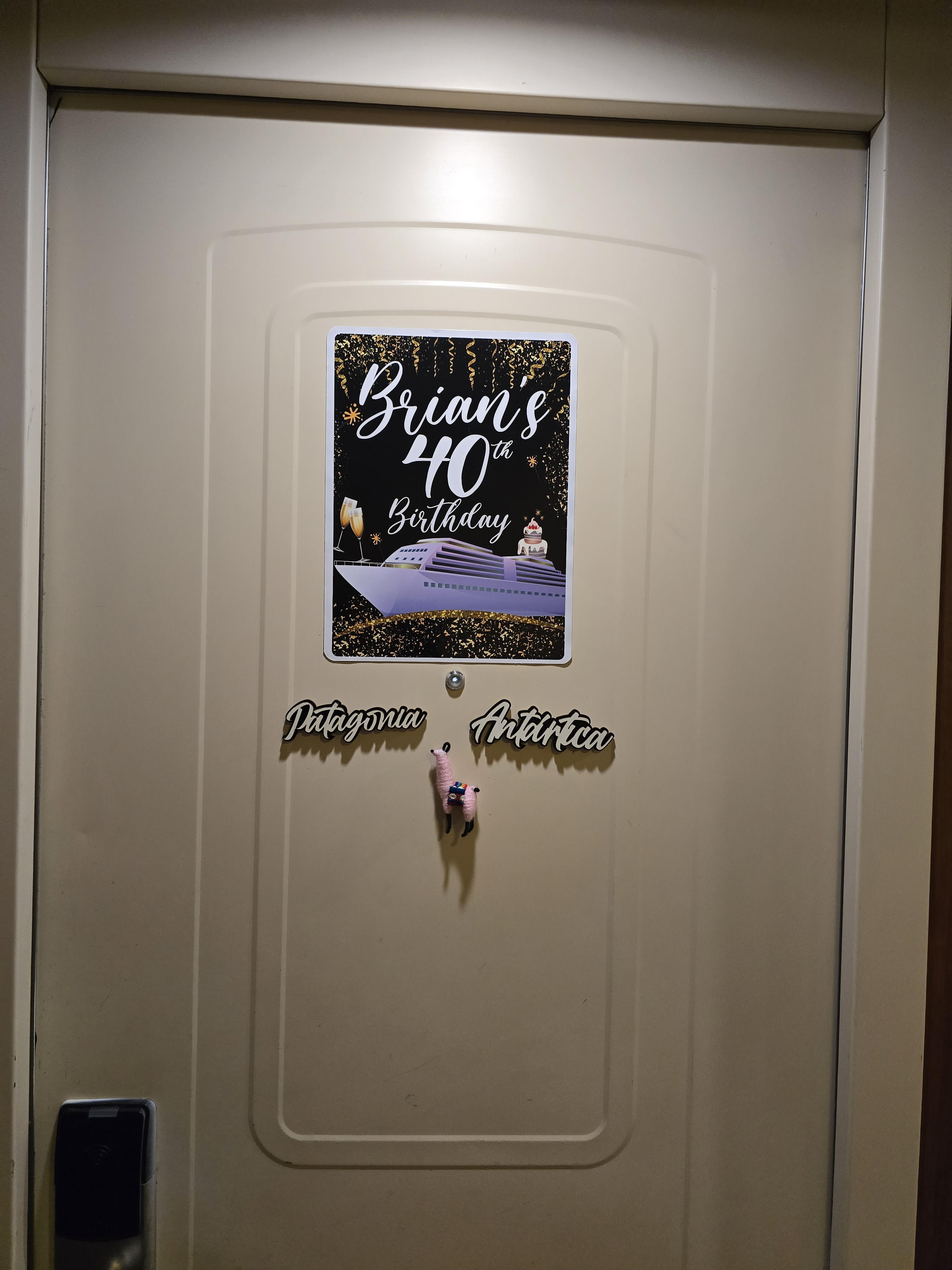
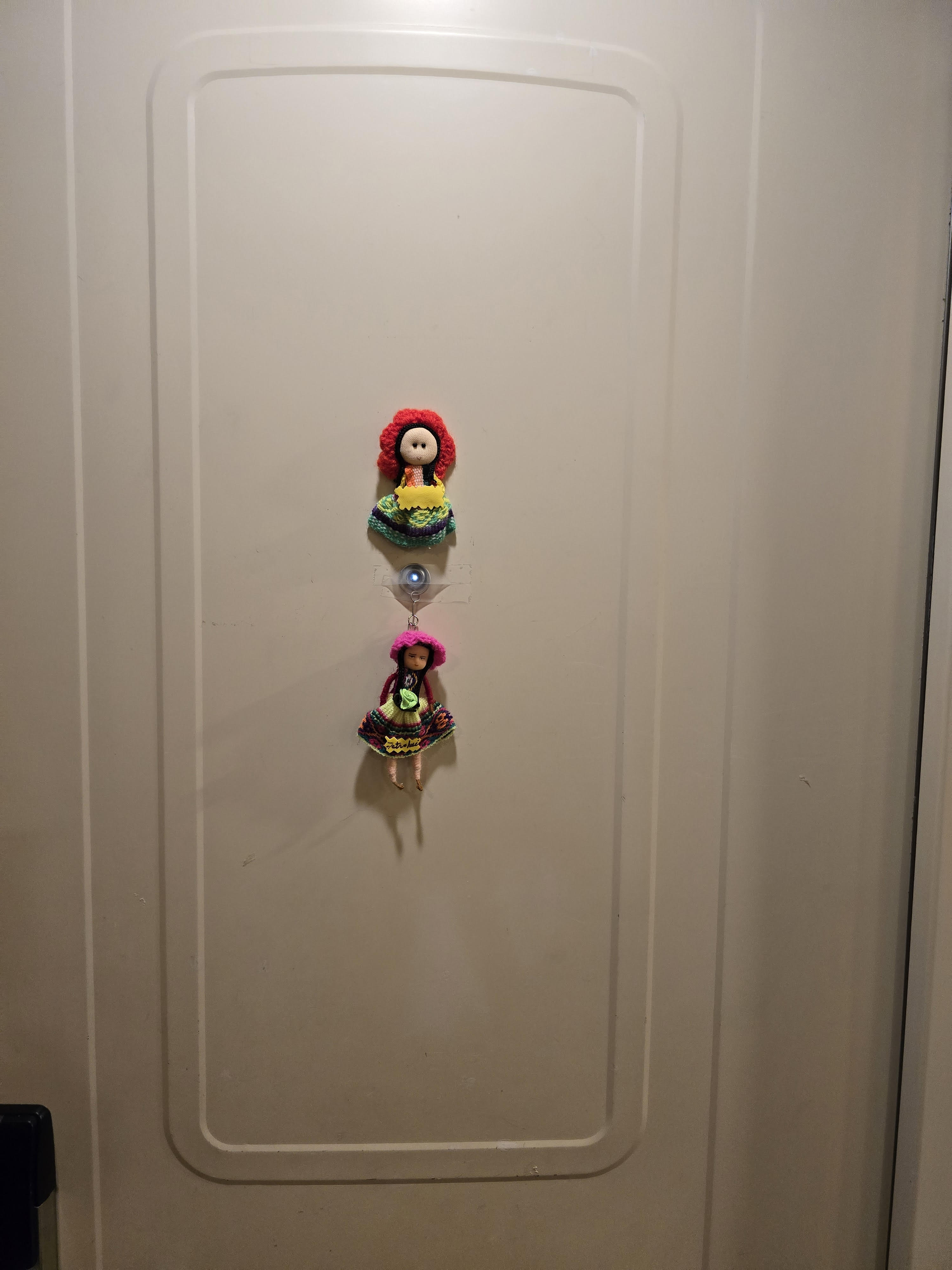
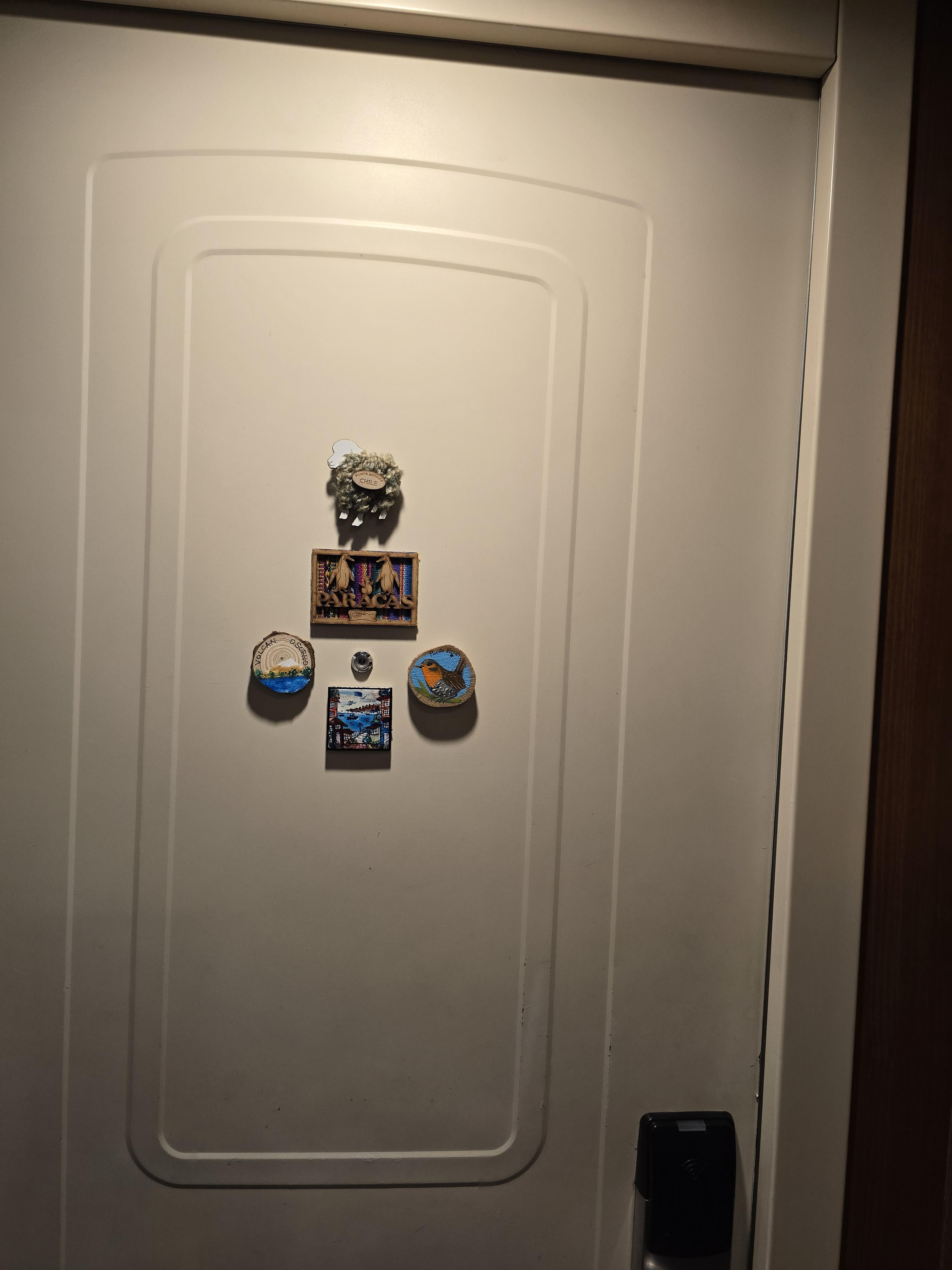
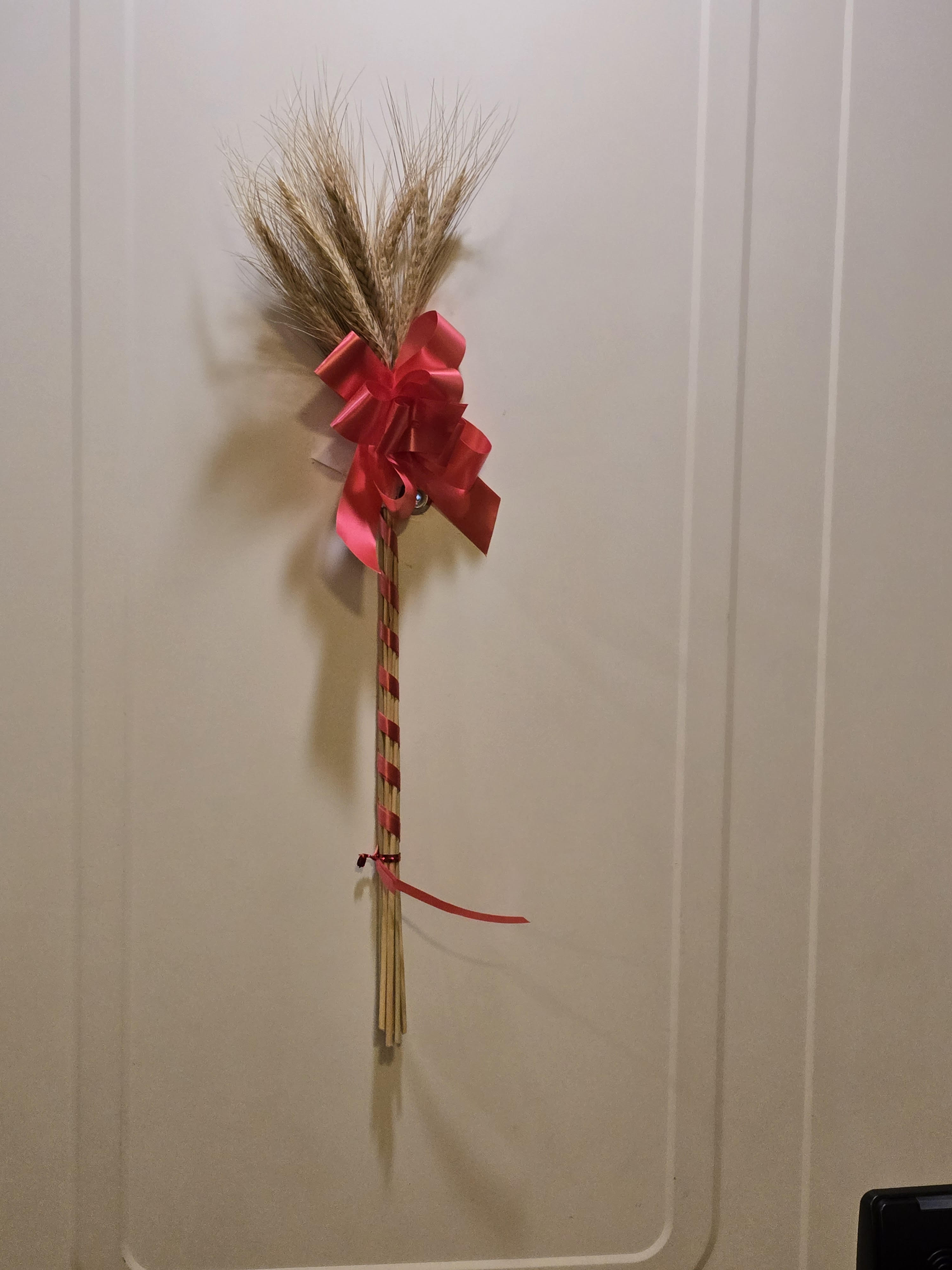
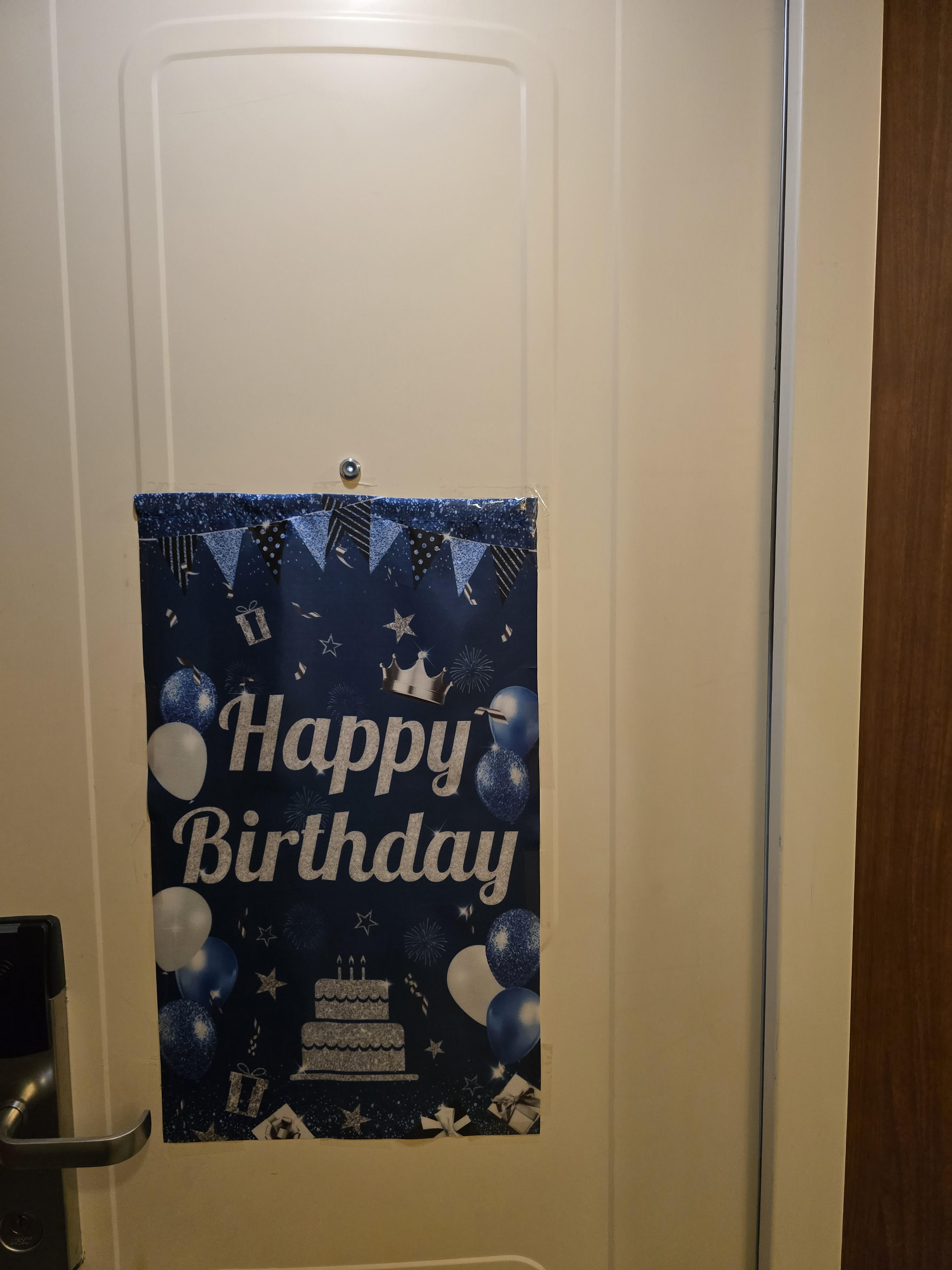
WHERE’S MY ROOM?

This is what seasoned cruisers do to make sure they don’t enter the wrong room in a long hallway of identical doors without specifically identifying who occupies the room. Very clever and creative! 

Thanks to NG for sharing this insider look at a part of cruising not often highlighted–as she and EG continue on this memorable cruise.

Posted in Uncategorized | Leave a comment

HOW TO PACK FOR A MULTI-CLIMATE AND MULTI-ACTIVITIES TRIP?

I’m not a big traveler. When I did travel a lot, it was for work. Choosing attire was easy: appropriate for business activities in one locale.

But as I considered the range of climates and activities that were part of the travels of NG and EG, I couldn’t help but ask: how do you pack? You’d need an entire wardrobe to accommodate their cruise. Wouldn’t you? So I asked, and NG was happy to explain!

“Funny that you asked about how we dressed for this momentous task of our trip around South America!  I started packing 3 weeks before we left so I had plenty of time to scour thru my closet and, if necessary, wash and iron a few things! We had to pack enough clothes to “dress” for 2 travel days, 8 excursions, 2 holidays days, 15 ship days, and clothing for 22 “elegant resort casual” dress codes for evening dining, plus something for swimming and/or exercise duds. Shoes included, dressy heels, pair of sandals, fit-flops (for pool/as slippers/in hot weather), slip-casual, and comfy walking shoes.

“With regards to keeping warm, while on the Antarctic we had to resort to layering for warmth for the three days we were touring the Antarctic Peninsula.  I packed silk long johns, smart wool tops and socks, a pair of leggings, an old pair of jeans that were too big to wear otherwise, a zippered high neck Patagonia (right in style, as we toured the Patagonia region in Chile) fleece jacket, waterproof Gore-tex jacket for wind resistance, and hat, gloves, scarf.  We packed rain pants, too (but luckliy did not need).  In short, I had 5 layers on top (core warmth!!) and 2 layers covering arms and legs, plus the accessory items.  I wore the same thing for 3 days…well. ok. That is not quite true.  I did change socks and under clothing those days!

“How do you select what to wear? Easy:

1) Find out what the temperature(s) will be for where you are traveling.

2) Find out what activities you will have while you are gone.

3) Then pick a basic color(s) in your closet for jackets, pants and skirts so you can mix and match tops with them; long sleeve vs short sleeve. Dressy vs sportswear. Sometimes you will find that the same blouse can serve 2 purposes.

4)  Use scarves and jewelry to dress up or dress down the same outfit.  Scarves and jewelry also help change your accent colors 

We had 6 pieces of luggage: each had our own medium sized suitcase (2), we shared a carry-on piece for shoes and the like (1), we each had our own piece of hand luggage for personal items (2), and a tote for toiletries (1) .

TRAVEL TIPS:

– Flying business class on the longest leg of our trip (9 hours) helped absorb any additional luggage charges.  

– I also carry a baggalini, not a purse for travel.  I put it into my tote as hand luggage that I take on board the flight. The airlines have not balked yet!”

Thanks, NG! I was tired just reading about the packing! Hope your trip continues to be memorable, and we’ll look forward to new updates!

Posted in Uncategorized | Tagged , , , , | Leave a comment

Striking Scenery Differences: Cruising Around South America

In the first post on NG and EG’s cruise, the focus was on the early travel and ship experience. This latest very striking photo represents a significantly different climate and cruise experience! What memories will be accrued on this amazing trip…

Many thanks to these dear friends for sharing their cruise experiences with us!

Posted in Uncategorized | Leave a comment

ANOTHER CULINARY CHURCH MEMORY

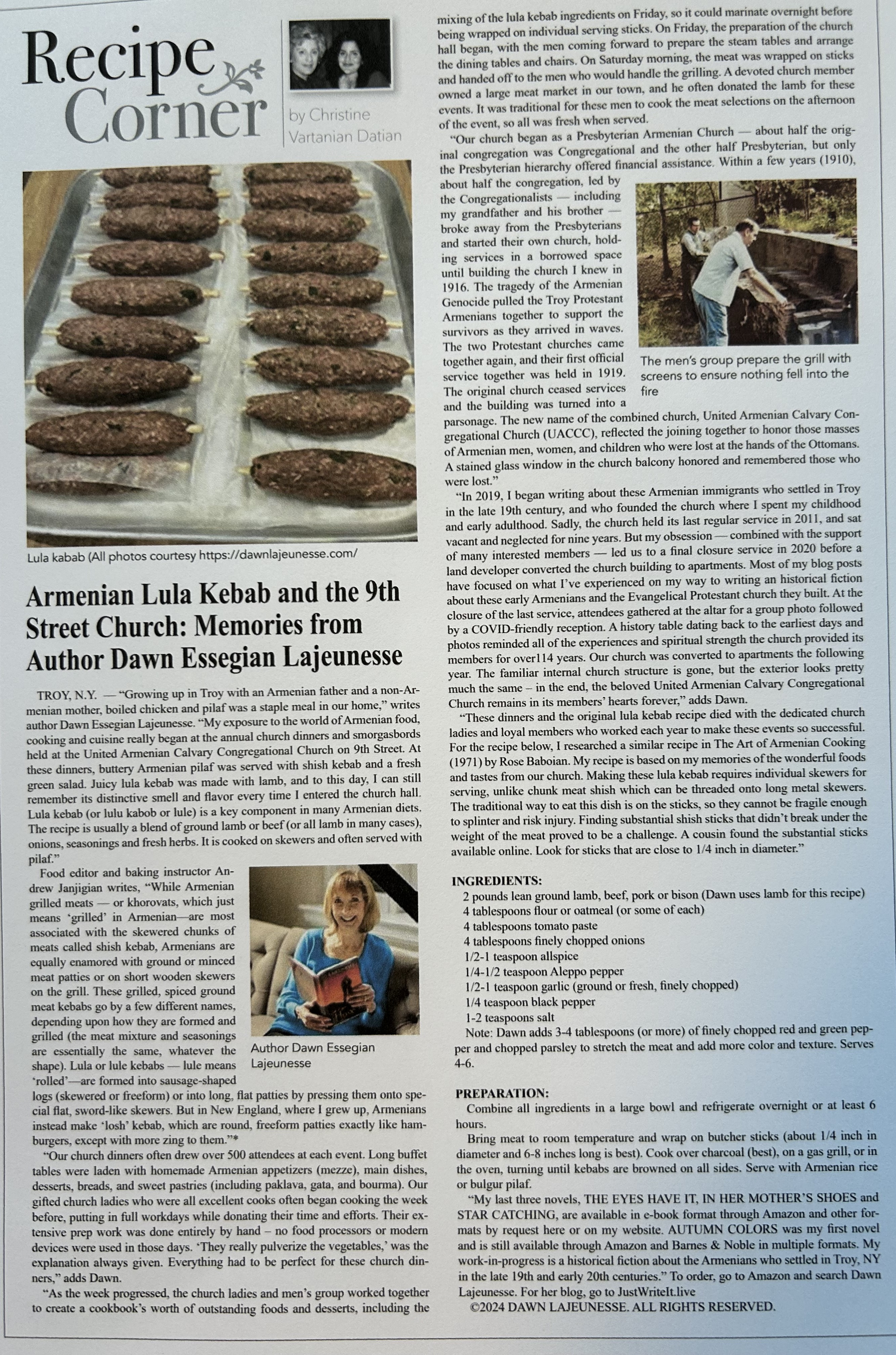
My article about “losh kebab” was published in the June 20 issue of Armenian Mirror Spectator! We always just called it shish kebab, but apparently in many or most Armenian circles, this particular kind of seasoned ground meat wrapped on a stick for individual servings is referred to as losh kebab. Name calling aside, it is mouth-wateringly delicious! And, eaten right off the individual serving stick, it’s also fun food for all. I prefer the lamb version, but it can be made with any ground meat–which helps to satisfy those with picky taste buds!

Unlike previous articles in this magazine, the number of photos allowed was minimal, and the article was limited to one page. So a lot of the pearls of wisdom–as well as the photos of the church women who were counted on to produce these culinary delights–was tightly limited. But the basics are here, including the recipe for the swoon-evoking reaction when you sample them. I also wasn’t able to get a direct link as in the past. So I photographed the article and am pasting it here.

I’ll be making a batch soon for a group of 12 (using 9-10 lbs of ground meat, likely a mix of lamb and beef for first-timers and picky children:-). I’ll be pairing it with, of course, traditional Armenian rice pilaf and a large green salad. The most likely sweet finale will be a near-orgasmic version of gurabia, a sugar cookie that can include nuts or dried fruit pieces.

And now I’m hungry!

Posted in Uncategorized | Tagged , , , | 1 Comment

THE MOMENTUM CHALLENGE

I ask myself: what is holding me back on finishing my church story?

I think about it constantly. I continue to research obsessively. But too often words fail to be transferred onto paper (or, more accurately, computer).

Next step ideas pop into my head frequently, but again, too often they arrive when I’m not in a position to put them to paper. And then, when I’m at liberty to proceed, my aging brain chooses to block all or part of the perceived brilliant thoughts/ideas.

I need my 40-something brain function back. Hell, I’d settle for 50 or 60! But I’m cascading toward 75 and there are no brakes, let alone reverse gears, that I can apply.

I am proceeding, but at a snail’s pace, with large blocks of black hole (aka absence of progress) time.

Still, as long as I’m not six feet under, I will not give up until the story is told.

Posted in Uncategorized | Leave a comment

The Long & Winding Road

Almost five years ago, when I unknowingly began my journey back to my childhood Armenian church before it closed forever, I began experiencing a series of little miracles.

The first miracle was the call itself. My elderly cousin interacted periodically with my older sister but had never, that I can recall, contacted me. He called me with a purpose. He was helping another cousin with an ancestry search of the Armenian side of our family, and he had run across a name from our shared grandfather’s generation that he had never heard. Would I see if I could find anything, perhaps in church records and/or county records.

The next miracle was locating the church records. The Armenian church which we attended through my childhood and early adulthood was closed–had not held a service since 2011. Finding the records required a series of mini miracles. I hadn’t had contact with anyone from the church in decades, so I had no idea who to contact. There was one minister, back in the ‘90s, whom I knew from my years in the Armenian Protestant Youth Fellowship. I had no idea where she was, but I thought if she still was an active minister, I probably could find her online. Miracle number three was finding an email address for her and successfully making contact.

She had indeed maintained contact with some of the church members, and let me know who, if anyone, could help me. The church building was for sale, and two brothers had taken on the responsibility for keeping it intact while it was awaiting a buyer. I called one of the brothers, who had no idea where the records were. He said another member had tried to find them for an ancestry search and had not been successful. But miracle number four: he graciously agreed to let me into the church.

My first visit (of many, it turned out) to my childhood church was shocking and depressing. It was dirty and smelly and in total disarray. Something told me to look in the office first—although it seemed likely that the other member had done that. Miracle number five was finding the three volumes of church records almost immediately!

I obtained permission to borrow the volumes for a week or two, since I didn’t want to hold up the man who so generously came to the church to let me in. And miracle five was the effect studying the records had on me—a revival of my positive memories of the church and the people I knew. I felt compelled to write the story of the church—but I would need access to other documents and to the church building for research. Sam, the man who let me in the first time, agreed to have a key made for me so he wouldn’t have to let me in every time.

As my connection blossomed, so did my drive to give the church a meaningful closure. When I mentioned that to Sam, he said the church was in such bad shape, it would be impossible to make it suitable for a service. I decided to prove him wrong. I spent multiple visits there cleaning the vestibule and office to show the potential for just the cost of some cleaning supplies and elbow grease, which I gladly would contribute. I asked Sam and his brother – and another man, Tom, who was helping with the logistics of the sale – to meet me there for a proposal. The vestibule positively gleamed, the old oak polished to a high sheen, the rug cleaned, and the furniture washed and waxed. With the doors to the sanctuary closed, you couldn’t tell that this was a part of the original dirty, smelly church I viewed on my first visit.

Miracle number six was not just their agreement, but genuine enthusiasm.

From that point on, the project proved that it was meant to be. As other members of the church heard about this, some volunteered to help with the cleaning and preparations. Another volunteered to prepare a booklet of stories and photos and history and memories to hand out when the closure service was held. Then there was a woman who was related to many of the members, although she wasn’t a church member herself. She had such favorable memories of those members and the occasional visits to the church, she volunteered to arrange for a video to be made of the service and a group photo taken. And the former minister, who was unable to be with us on the day of the service, provided an audiotape with her own message. The Armenian Missionary Association of America helped us find an Armenian minister to lead the service. And a church member tracked down someone who could get the organ working and an organist to provide the music at the service.

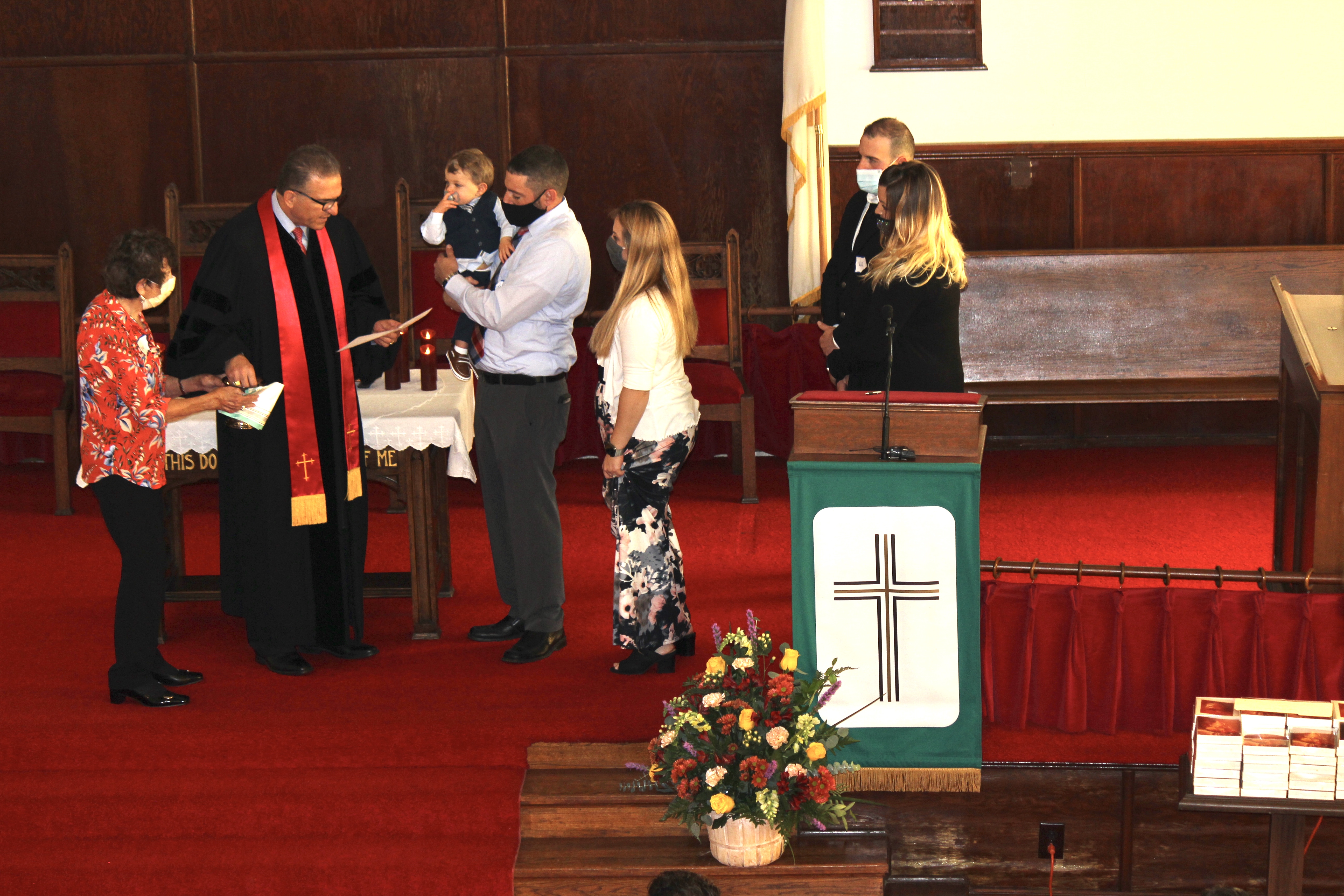
The members aimed for early 2020 for the service. But as we all remember, Covid hit and impacted any gatherings. Undaunted, the service was scheduled for September of that year. It featured a baptism, which provided a bookend to the church’s first baptism in 1906.

There have been some setbacks since then that slowed progress on my story of the church and the Armenians who founded it. But those setbacks also gave me time to make changes in my approach: divide the nearly 140-year history from conception of the Armenian church in Troy through the closure service into two stories. The first is planned as a memoir, covering the final years. The second is planned to be historical fiction, beginning with the Armenians leaving their homeland that was no longer safe for them, through the founding and tumultuous first fifteen years of the United Armenian Calvary Congregational Church of Troy, NY.

Stay tuned for updates!

Posted in Uncategorized | Tagged , , , , | Leave a comment

A CHURCH IS BORN

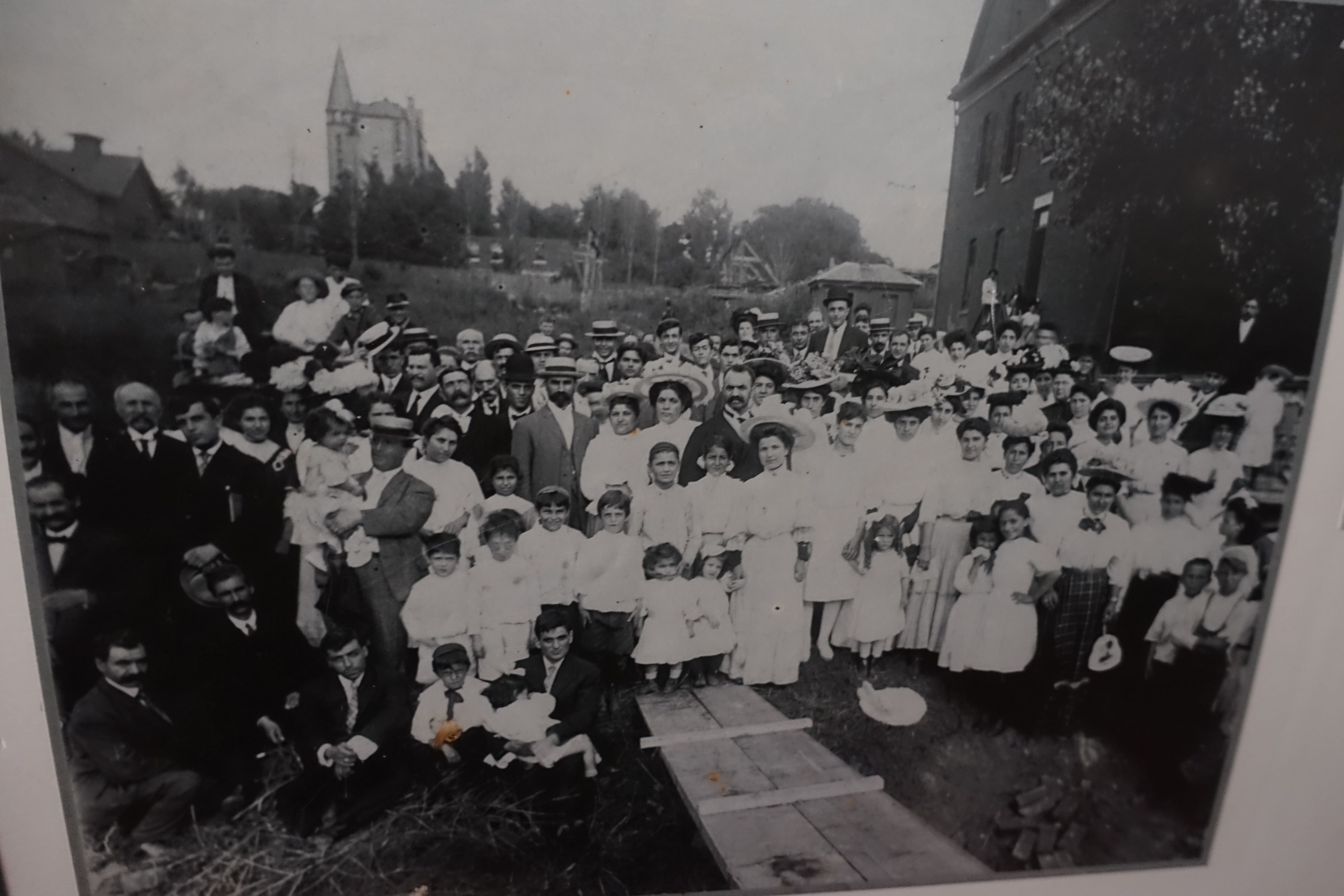
Church members celebrate groundbreaking of first church

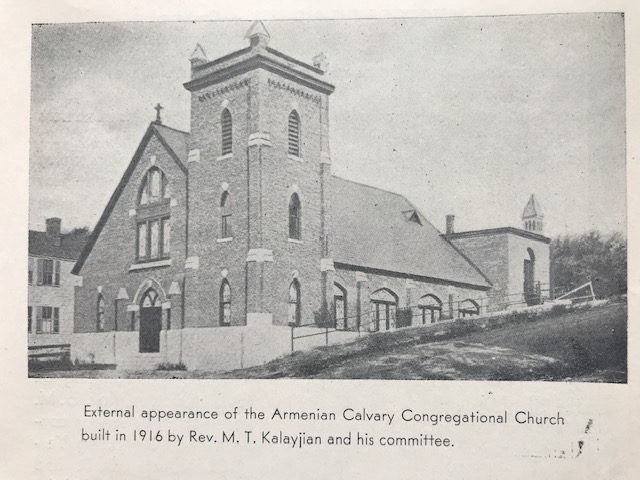
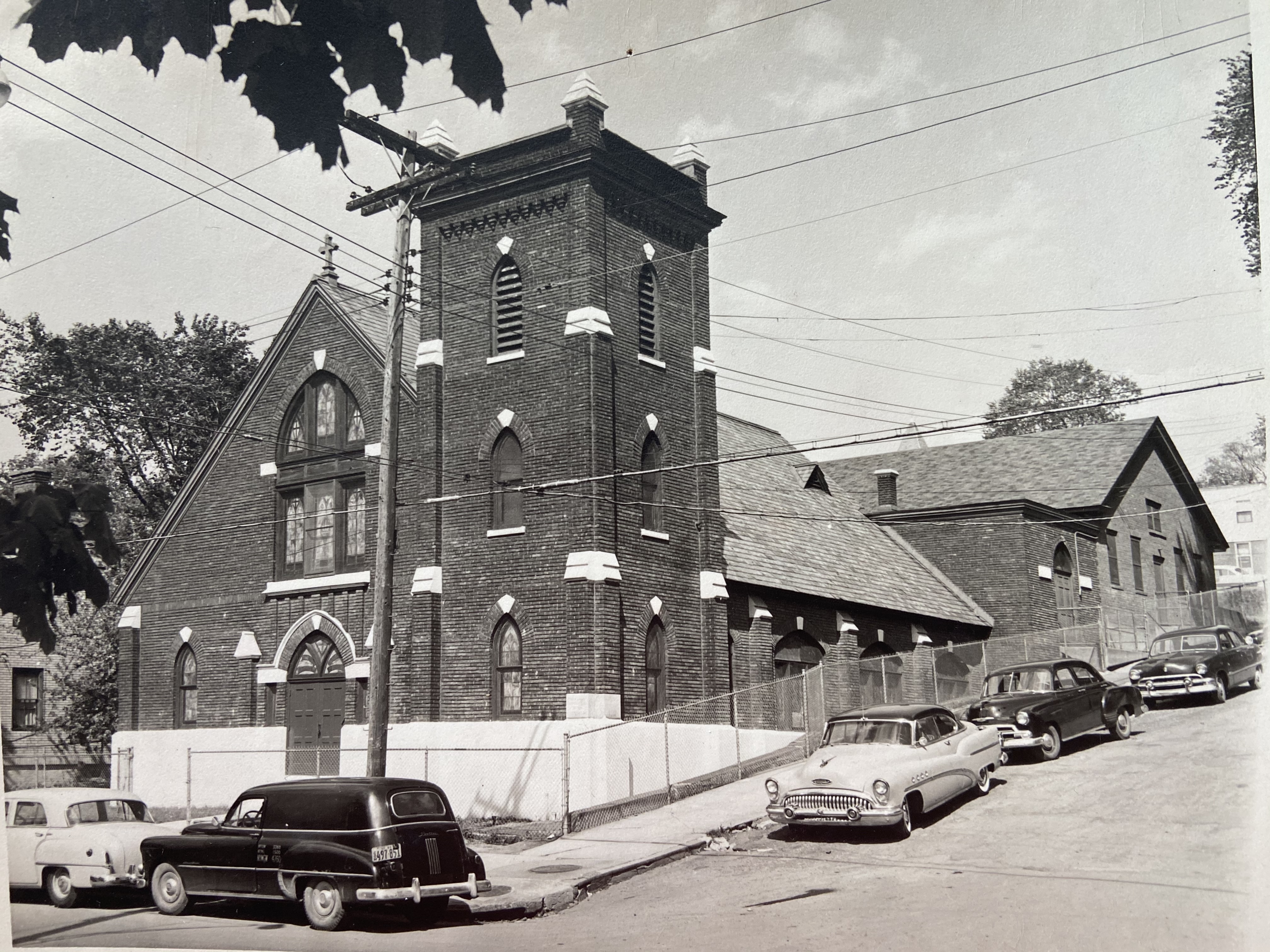
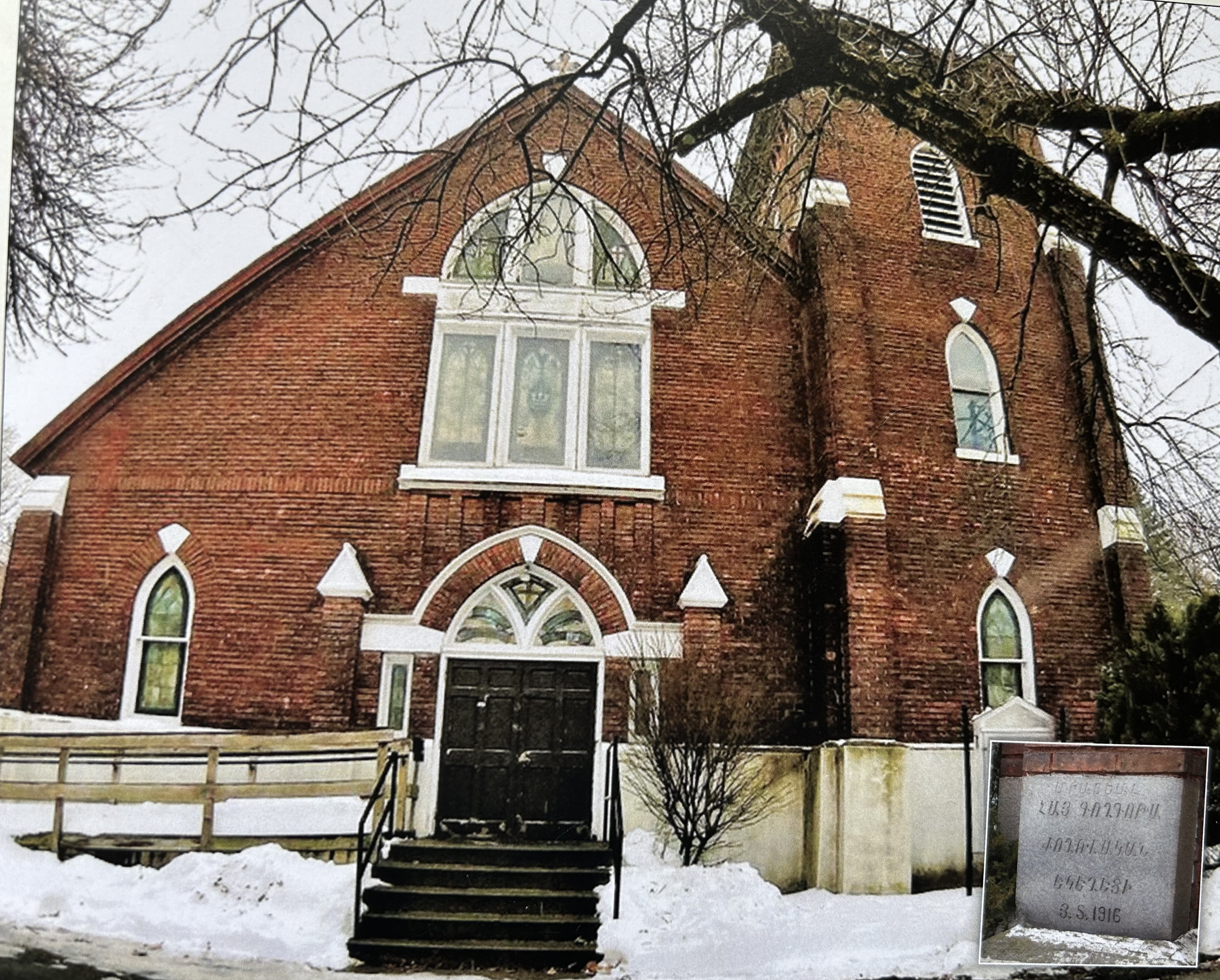
Following the early genocide of Armenians in Turkey from 1895-1897, a stream of Armenians flowed into the city of Troy, NY. Their goal from the time they left Turkey was to create a church as their center for worship and social connections. They worshipped in homes and borrowed spaces until they were able to build their own church. With financial help from the Presbytery and Congregational Churches, whose missionaries had a strong presence in Turkey, Troy’s Armenian Presbyterian Church was founded in 1906, and the Congregational Church was built in 1916 to meet the growing needs of the congregation

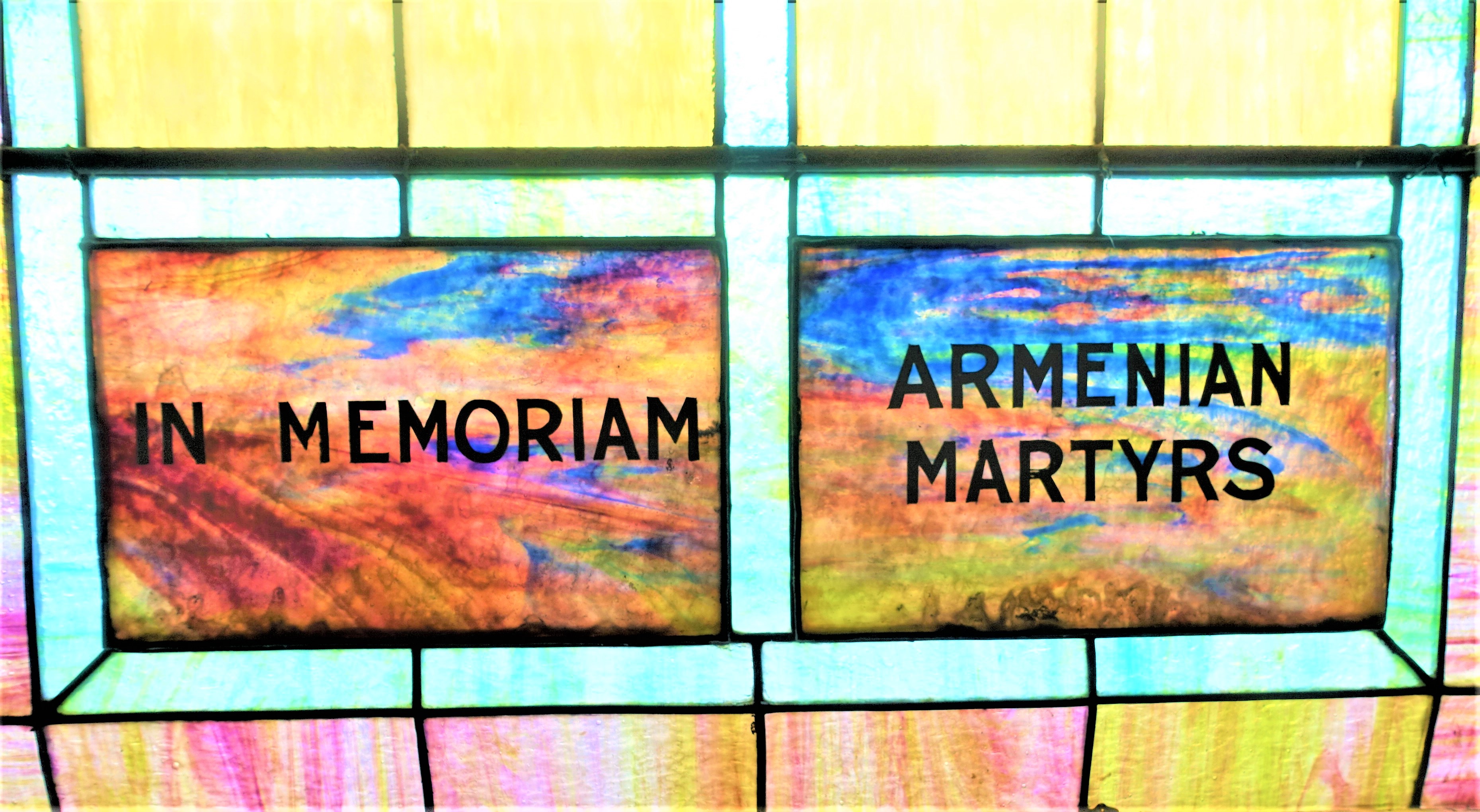
Reports of continual slaughter, exile, and the attempted extermination of all Armenians in Turkey brought the two Armenian churches in Troy together and inspired a new name for the church in 1919: The United Armenian Calvary Congregational Church, in commemoration of a martyred nation. Memorial tributes were included in the stained glass windows of the new sanctuary church, and the other church building was converted for use as a parsonage. The local Armenian Apostolic churches affectionately called it “the Ninth Street Church,” a name they continued to use through the life of the church.

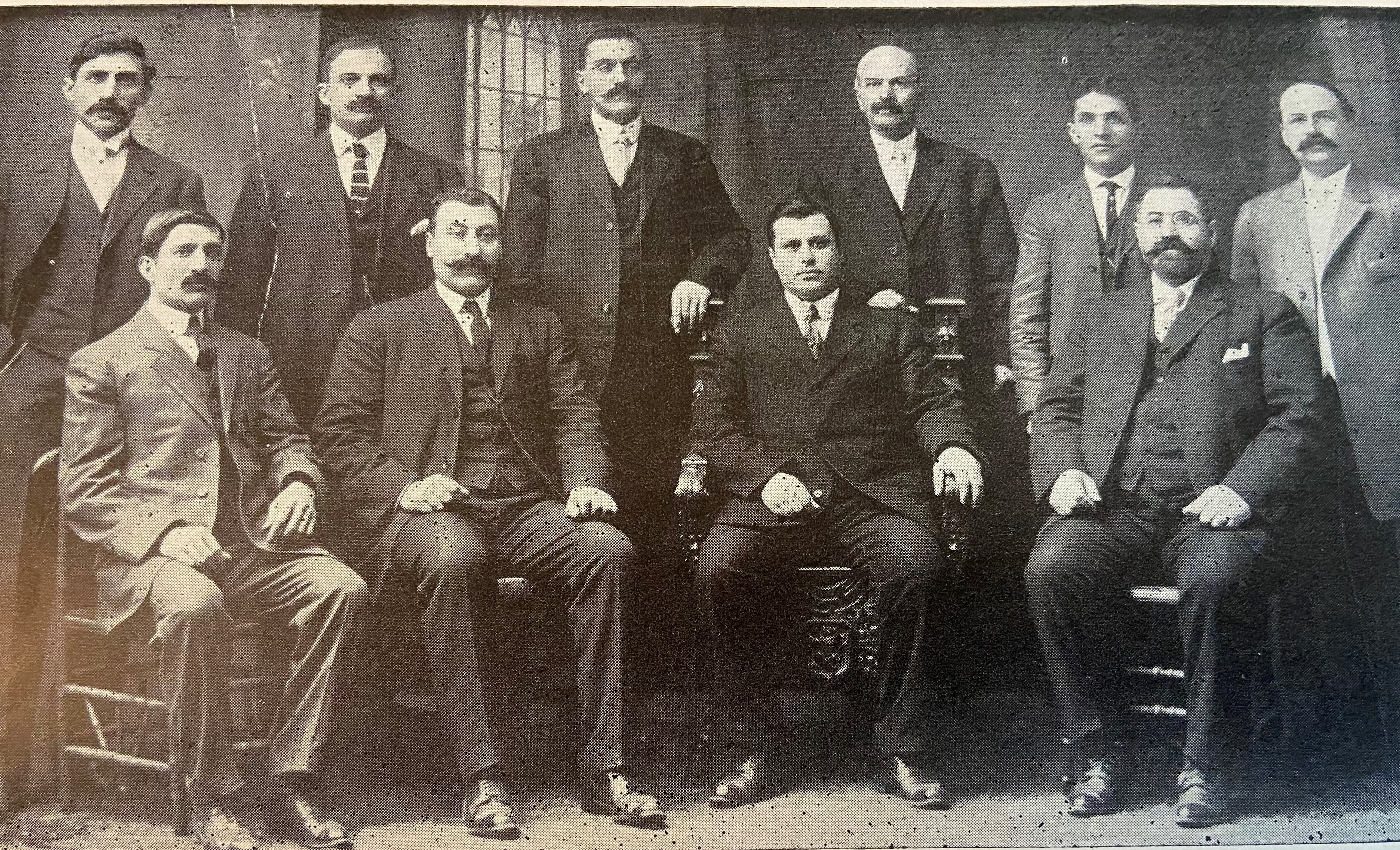
Original leaders of the “Ninth Street Church”: Migrants from Turkey were predominantly men originally, and they brought their wives and families over as they settled in and found employment. (Note: my grandfather, who died before I was born, is in first row, far left.)

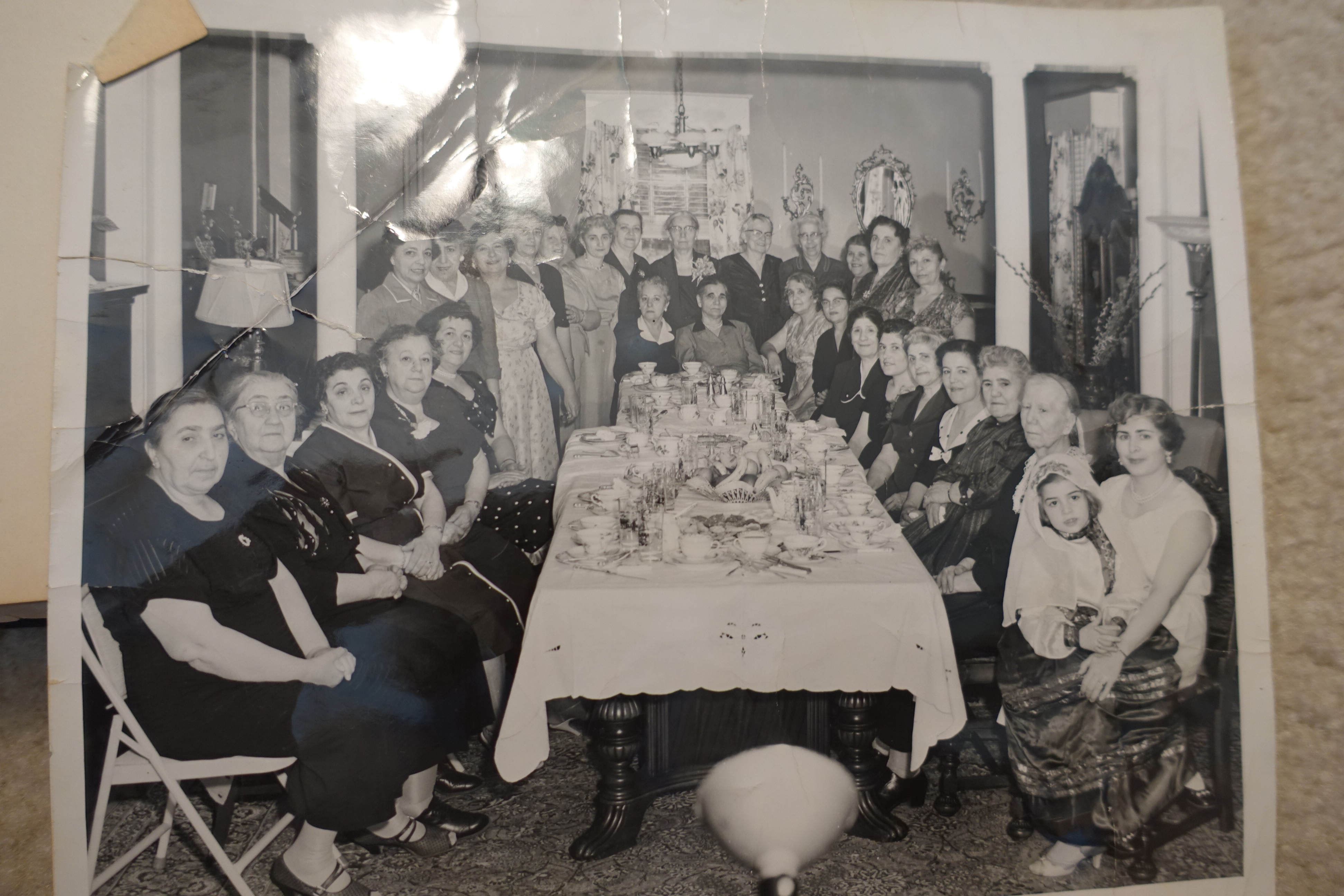
One member told me most of the church women were employed by Cluett’s, a shirt factory in Troy. Some worked at the factory. But for those who had to be at home, a man made rounds every day with a horse and wagon, dropping off and picking up shirts in progress. Each woman had a specialty: collars, cuffs, buttons, buttonholes, etc., and eventually the shirts would be completed and sold. Many other fascinating (and funny) stories were shared by offspring of the Cluett’s Armenian women. When they weren’t sewing or keeping the home going and taking care of children, they were at the church (often with the children), where there always was something to do and someone to be helped. Another member shared that “although there was a lot of drama involved, the community was close knit and helped each other. The church was the center of social life and provided refuge and support for Genocide survivors who never really healed.

Circa early 1930’s—The Ladies Aid Members: Backbone of the Church

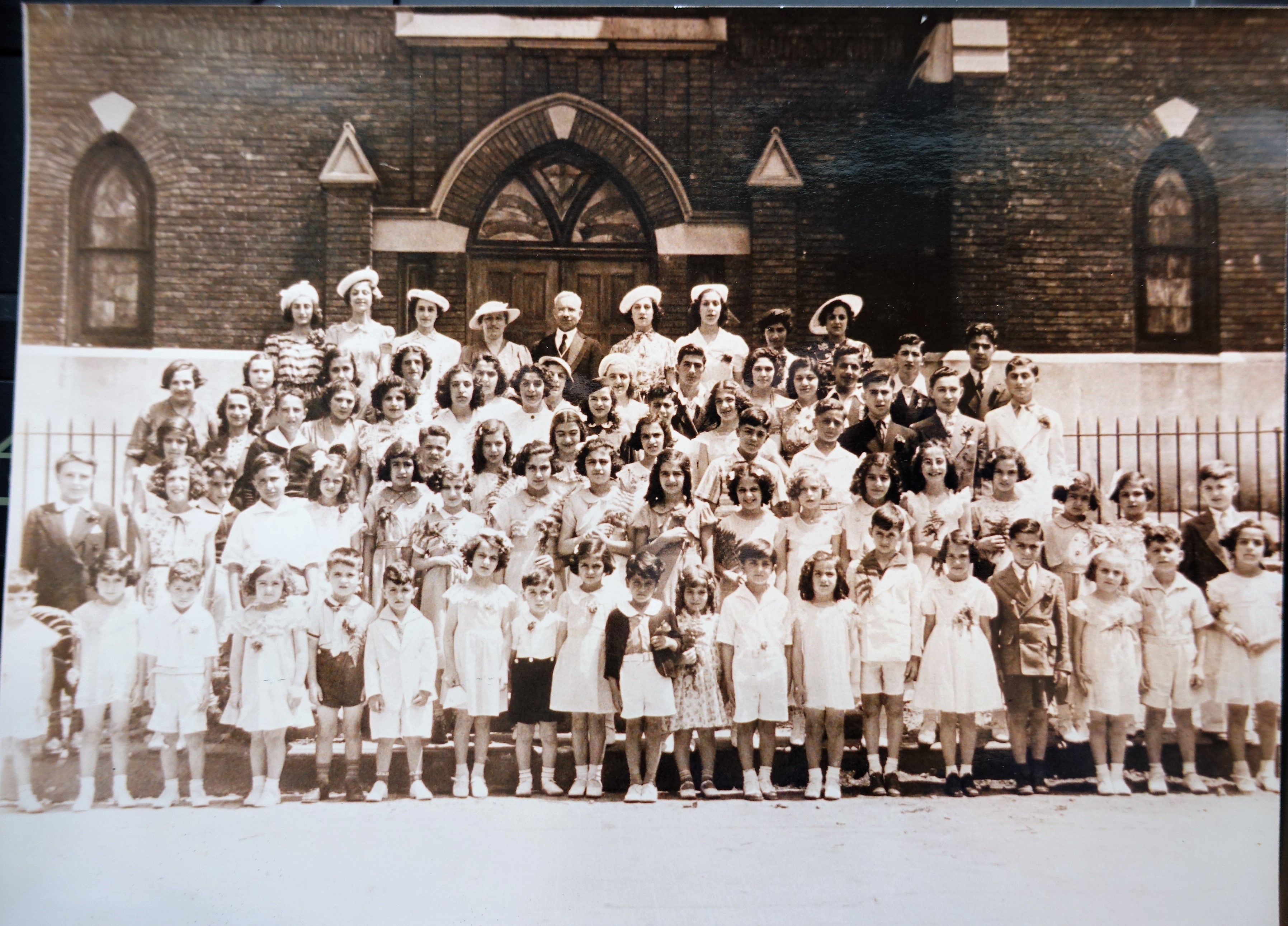
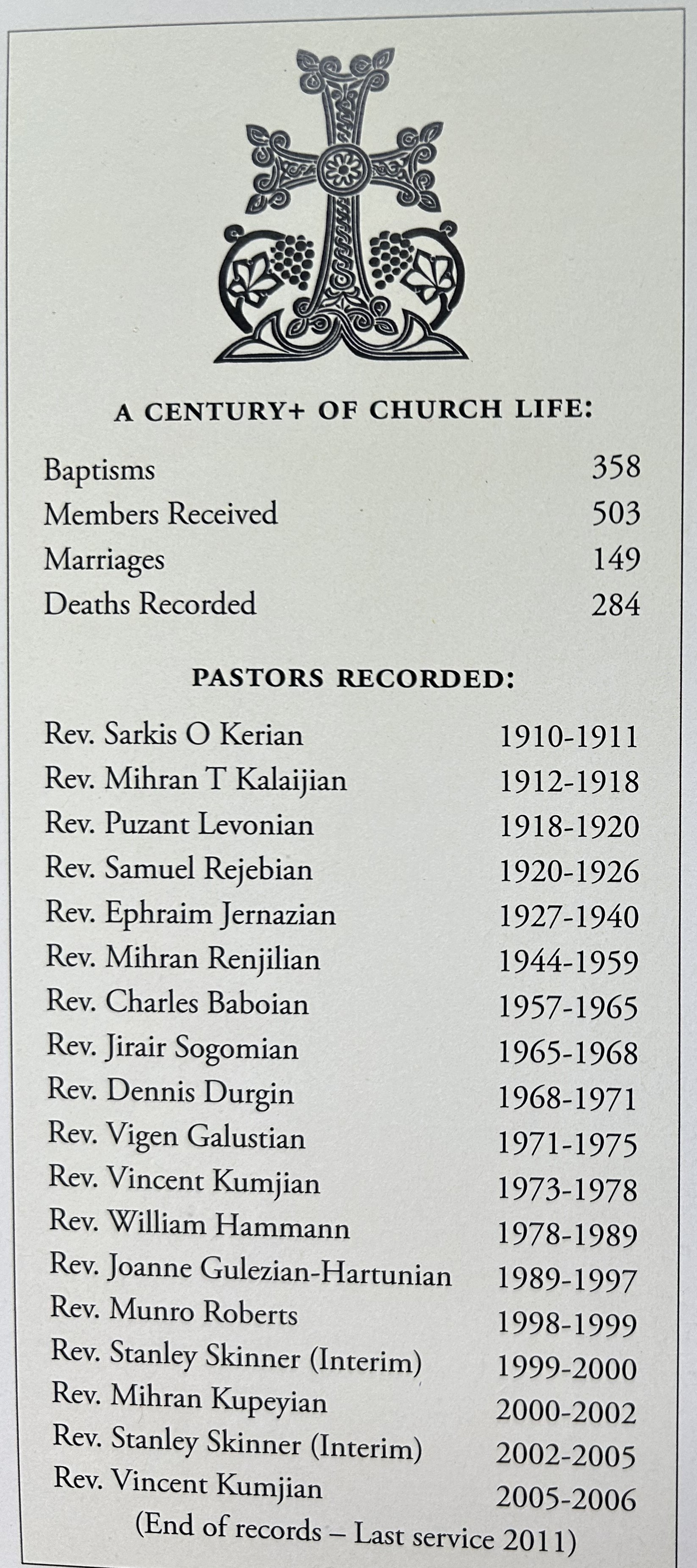
Under Reverend Rejebian and dedicated successors (see list at end), the church flourished, as did the Protestant Armenian community in Troy into the 21st century. One member, now deceased, spoke fondly of her youthful church experiences in the early to mid-thirties, particularly of Christian Endeavor, a youth group that engaged youth and teens in activities that helped the church and the community and bonded the members into adulthood. She described the physical changes to the church structure as it evolved from her earliest memories to when the new church hall was added in the 1950’s.

A new church hall was added in the mid-fifties

Dedicated members, committed Ladies Aid, a vigorous Sunday School and strong leadership kept the congregation growing and thriving up to the close of the 20th century. In 2001, the congregation celebrated their 95th anniversary.

Late 40’s/early 50’s: A growing and thriving Sunday School: Future Church Leaders

I have so many memories: of Sunday School picnics, rummage sales to raise funds, Christmas pageants; a trip to NYC to tour Riverside Church; singing in the choir; excursions with the youth fellowship members, and the conferences of the Armenian Protestant Youth Fellowship throughout the northeast. (One of my friends from the conferences became a minister and led our church from the late eighties through the late nineties: Reverend Joanne Gulezian-Hartunian.) And, of course, the many food events. Nothing was more welcoming than a food event hosted by the church members. Two of the favorites were the Strawberry Festival and the annual Armenian Smorgasbord. Both packed the hall, requiring massive preparations.

In the nineties this author witnessed a revival under Rev. Joanne Hartunian while attending an Easter service: the full pews, robust choir and participation by children mirrored holiday services of decades before.

Alas, with changing times, aging leaders, and increasingly mobile members, the church followed in the footsteps of so many others, holding their last regular service in 2011.

Prior to the sale of the building in 2020, a group of members organized a fitting closure service for their much-loved church. The Rev. Dr. Avedis Boynerian of Watertown Armenian Memorial Church officiated. A baby was baptized. Reverend Joanne Hartunian recorded a message for the closure service titled “You Are The Church.”

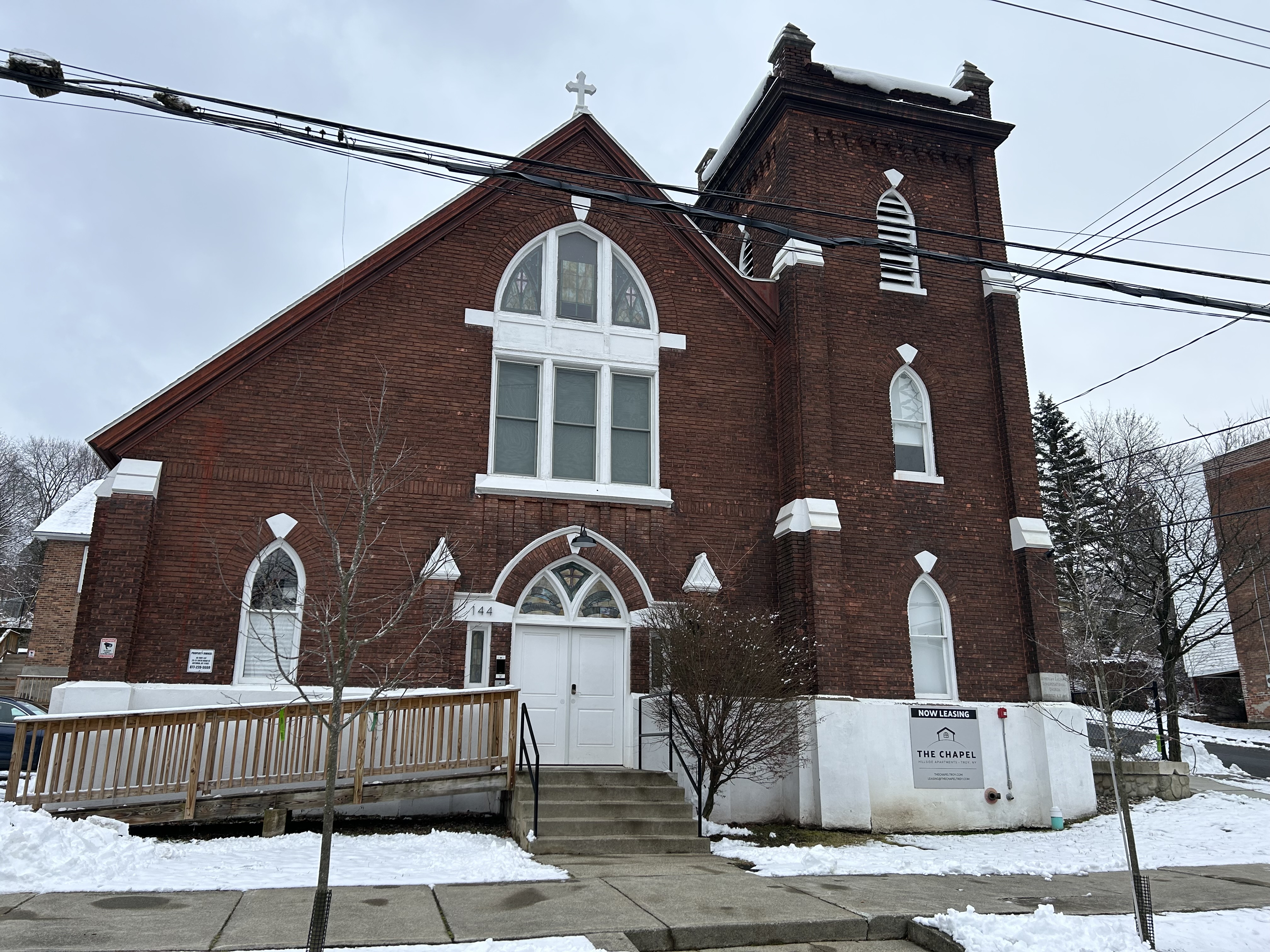
The church was converted into luxury apartments the following year, a structure named ”The Chapel Apartments”.

The proceeds from the sale of the church were distributed to the remaining two Troy area Armenian churches and to local and national Armenian projects and associations.

The former internal church structure is gone, but the beloved United Armenian Calvary Congregational Church structure stands tall on the corner of Ninth and Eagle in Troy, NY and remains in our hearts forever.

Posted in Uncategorized | Leave a comment

WAGING THE AGING BATTLES GRACEFULLY

As we enter the uncertainties of 2024, we hope and pray for the best for our country, our family, and our friends. We wish a safe, peaceful, healthy and happy new year to all.

When I was young (any time before 60😊), I felt pretty much invincible, physically. I had no serious health issues. I “ran” (slowly) in multiple marathons, half marathons and shorter races. I was successful in some jobs and a total bust in others. My husband and I did a lot of camping and long-distance canoeing—and even a few races.

I was mostly an honorable person, but I did some things I wish I had done differently. I had a temper in my youth that now (in my seventies) seems like it belonged to a different person. I regret that I fell out of the practice of participating in a church—it’s not too late yet. I will forever regret that we made self-centered choices when both my mother and my husband’s mother needed us to keep them out of nursing homes. We made some terrible financial decisions that significantly reduced the size of the nest egg we might have had now, had we taken some different turns.

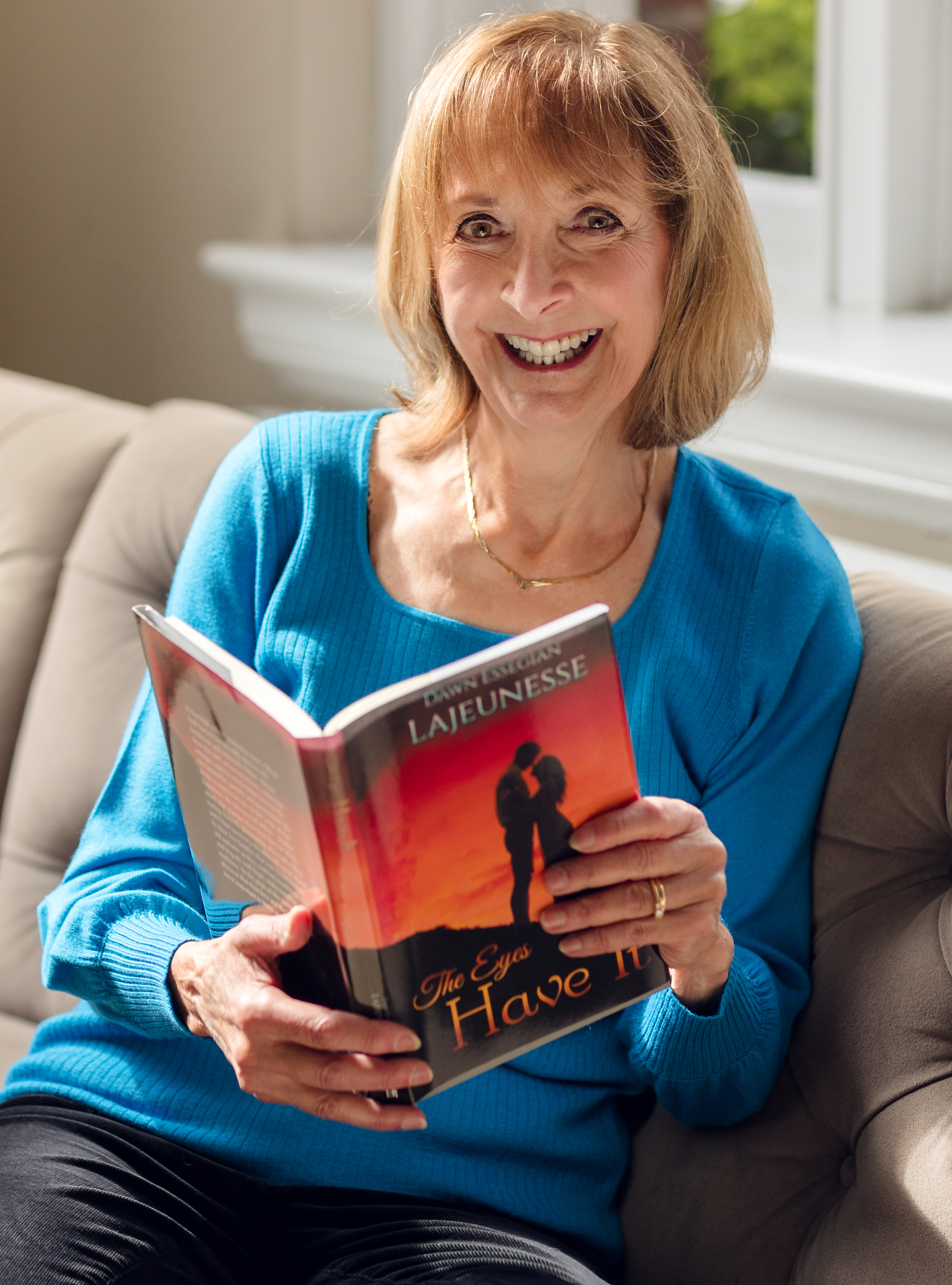
I wrote five novels and self-published four of those. Why didn’t I publish the fifth one? I didn’t have the b—- (kahunas) to deal with the controversies. I’ve been working on another for three years and am nowhere near the end. I keep re-writing the same 15 chapters over and over. I haven’t defined the reason for that. I hope it’s not that I haven’t grown beyond the reasons that kept me from publishing the fifth book.

Since 2016, my body has slowly begun to remind me that I’m not invincible, that my age IS a factor in what I can or can’t do. Five bleeding ulcers while training for a marathon and living on ibuprofen.  A heart attack in 2020. Couple of broken bones (dates elude me). Cataracts that miraculously, when removed, left me not requiring glasses for the first time since kindergarten. Another bleeding ulcer last year (and not even consuming ibuprofen this time). And most recently, paralysis of my left fourth optic nerve that results in seeing double and distorted (second image is elevated and angled – pretty fascinating if you’re not trying to walk, drive and negotiate steps safely).  Most scary is the inconsistent memory and concentration challenges – not really a big deal except when you factor in the family history of Alzheimers.

Getting old is NOT for the weak.

But around all the downers, life has been good. My husband and I are both still here, still getting to the gym regularly, eating a decent (not perfect) diet, enjoying friends and our Russell Terrier, Dubby. We aren’t world travelers but enjoy visiting friends and family and spending time in the Adirondacks with our canoe.

As we enter the uncertainties of 2024, we hope and pray for the best for our country, our family, and our friends. We wish a safe, peaceful, healthy and happy new year to all.

Posted in Uncategorized | Leave a comment

Farewell to “The Ninth Street Church”

This post is an update on one posted a couple of years ago. I was asked to write an article about the church’s history for a magazine, and it brought me back to this one. I expanded on it considerably, and will post it when it’s officially published (which could be 6-12 months from now). But I decided to revisit this one in the meantime.

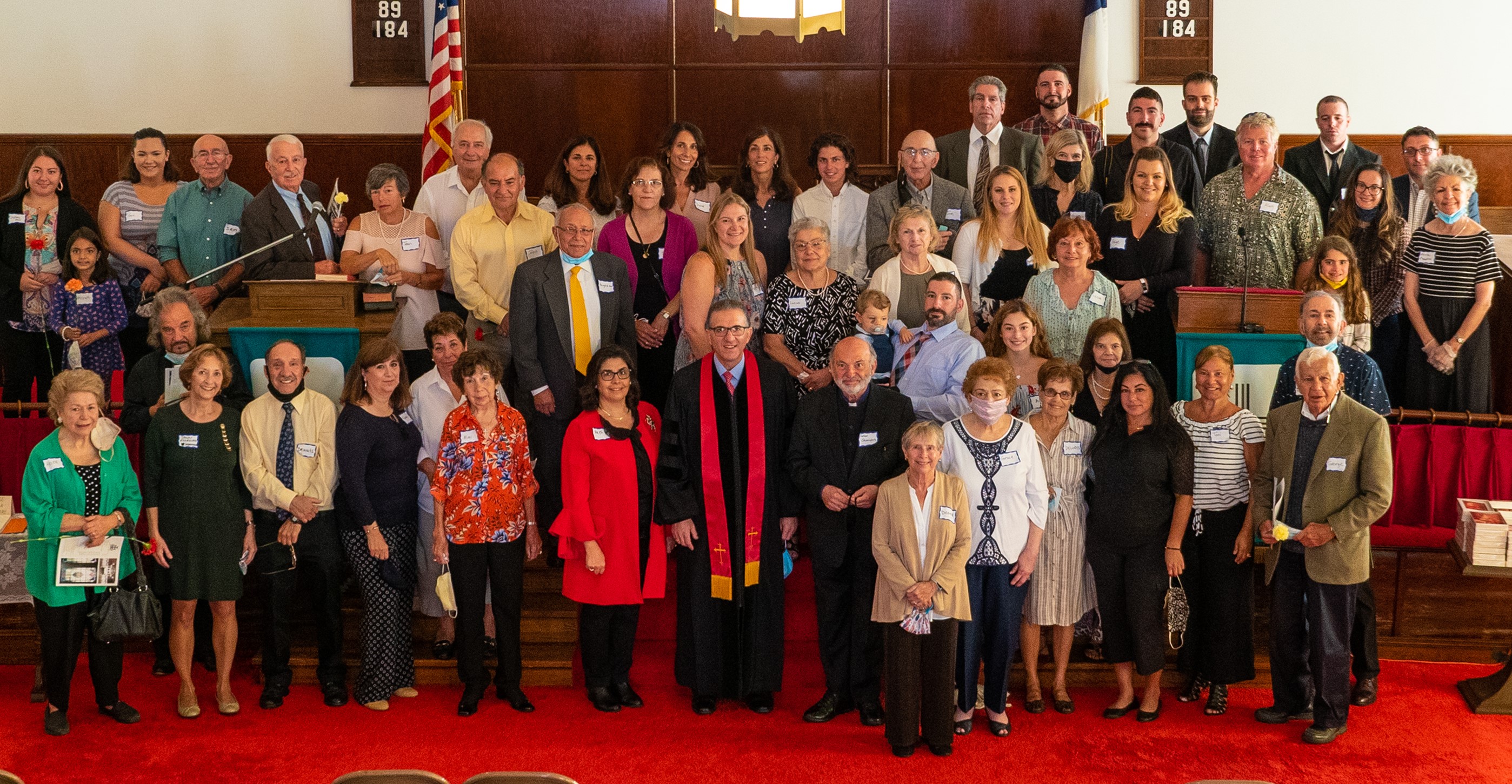
Saturday morning, September 26, 2020, dawned cool but promising sunshine, a very positive start for celebrating the 114 year history of the United Armenian Calvary Congregational Church (UACCC) in Troy, NY. It was bittersweet, since it also marked the final service of the church. Sixty-seven members turned out both to celebrate the church and say goodbye.

The service was officiated by Rev. Dr. Avedis Boynerian, pastor of the Armenian Memorial Church in Watertown, MA and member of the AMAA Board of Directors. Special messages on the occasion from the AEWC and the AMAA were read. Rev. Boynerian’s message, Got Is Not Done Yet, recognized the church’s long and active history and the church founders, who fled the massacres in Turkey and arrived in America intent on making new lives and building a new church community.

Participants in the service also received a recorded message from Rev. Joanne Gulezian-Hartunian, who served the church during much of the 1990’s. Her message was You Are The Church. She shared memories of church dinners and Sunday School activities and a growth of the congregation during her time there, and urged members to gather together in the future.

David Vredenberg, member of the American Guild of Organists, was guest Organist.

A very moving and symbolic point in the service was a baptism. The first baby baptized in the UACCC community was Haiganoosh H. Abajian, on September 16, 1906, as recorded in the church records. The baptism of Raffi Allan George Chalian provided a joyous and hopeful note to this final service. Together, the two baptisms became bookends for the spiritual life of the church.

At the closure of the service, attendees gathered at the altar for a group photo, followed by a COVID-friendly reception. A history table dating back to the earliest days and photos reminded all of the experiences and spiritual strength the church provided its members for 114 years.

The church was converted to apartments the following year. The familiar internal church structure is gone, but the exterior looks pretty much the same, and the beloved United Armenian Calvary Congregational Church remains in the members’ hearts forever.

Posted in Uncategorized | Tagged , , , , | Leave a comment